Template guide · Two-column modern · opens Nova
Purpose-built for remote-first job applications. This template highlights the skills remote employers actually screen for: asynchronous communication, self-direction, cross-timezone collaboration, and documentation practices.
Build, edit, and preview free. Finished resume downloads require a purchase. See download options.
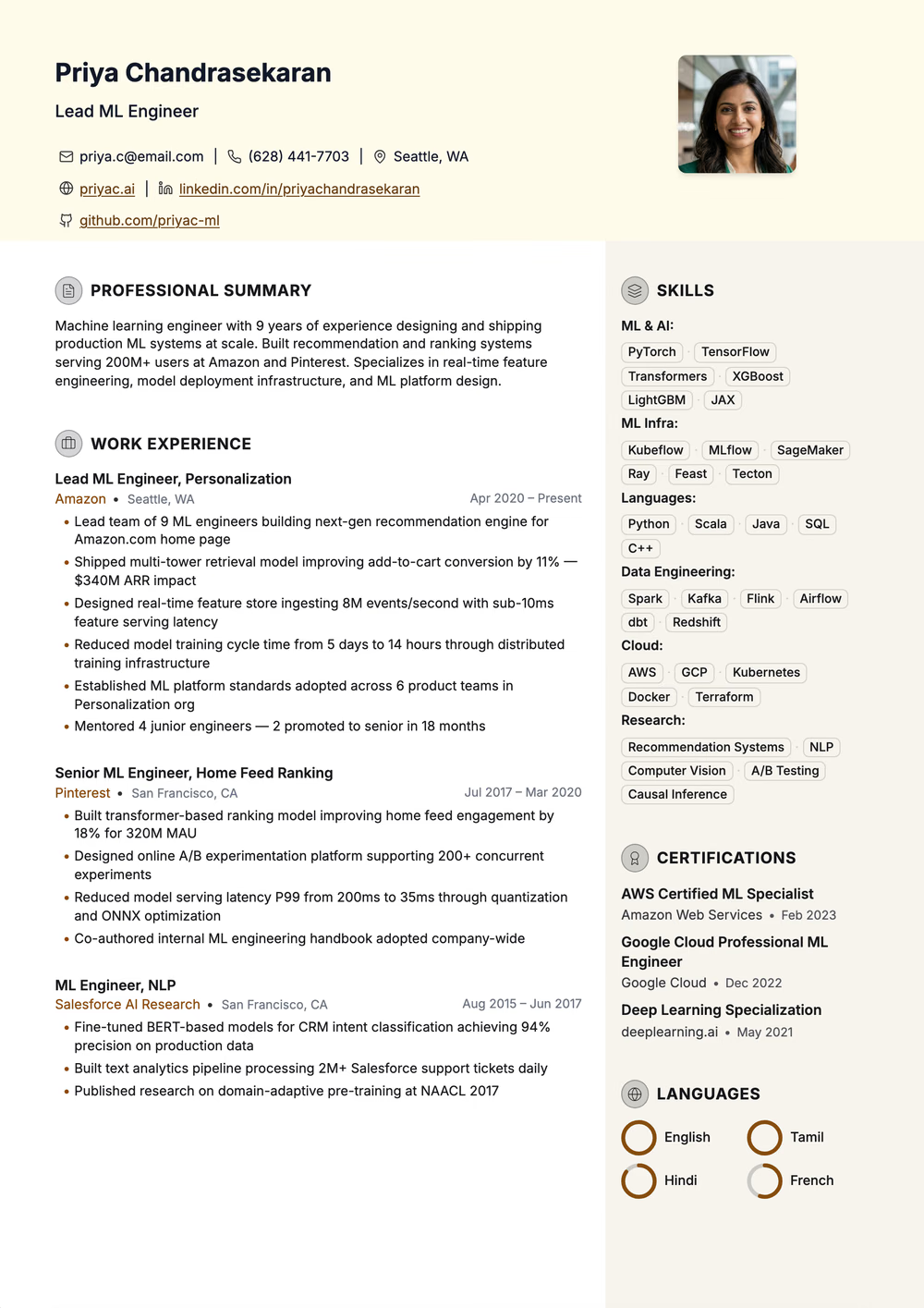
Spec sheet
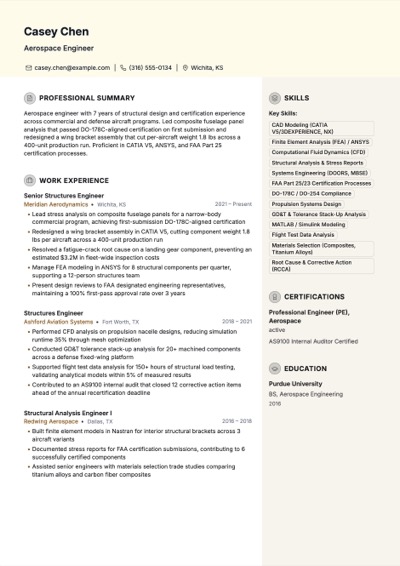
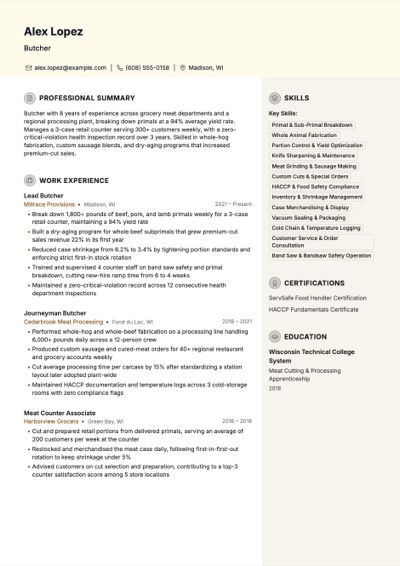
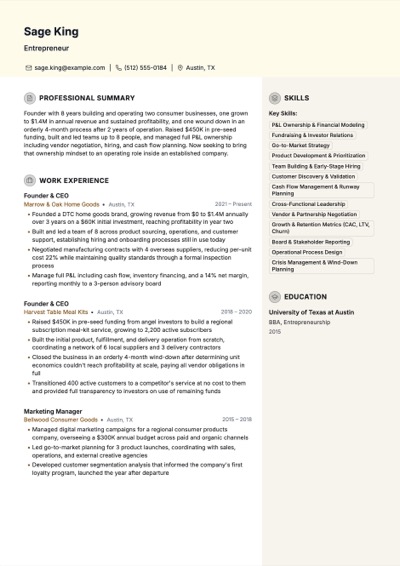
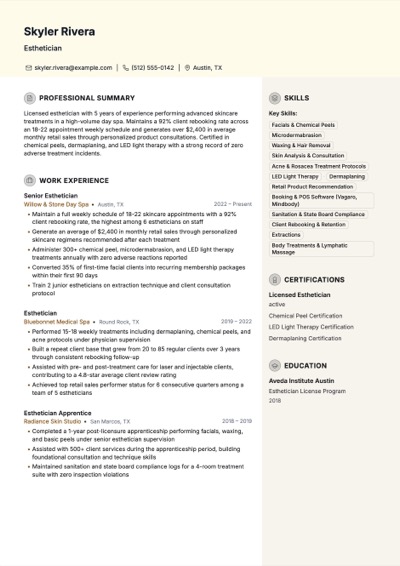
Two-column resume in antique gold — plain uppercase titles, skills grouped into chips, and languages drawn as proficiency donuts
Extraction certified
Why this shape
Remote hiring managers look for specific signals that office-first resumes don't provide. They want to see evidence of self-management, async communication skills, timezone-spanning collaboration, and comfort with remote tooling. This template adds structured sections for remote-specific competencies that set you apart from candidates who have only worked in offices.
Read before you apply through hiring software
Applying through an online job portal? Use a single-column template for the portal, and keep this one for emailing a recruiter or handing over in person.
Open the ATS-Optimized guideRead by the machine
Two columns that some hiring software flattens into one.
Declared layout score
85/100
A structural rating the template declares, not your odds.
Hiring-software test
Passed
A dense sample export came back with every section intact on Letter paper, Oct 17, 2026.
Word export
Word export as a single-column file
Filled in
22 fictional examples use this exact design. Open one to read the full sample as text, then replace its details with your own experience.
Quantify your remote experience: 'Worked fully remote for 3 years across a team spanning US, Europe, and Asia (14-hour timezone spread).' Mention specific async practices: written proposals instead of meetings, documentation-first culture, async standups, recorded demos. Include remote collaboration tools you're proficient with. If you've never worked remotely, highlight independent project work, freelance experience, or self-directed academic projects.
Yes. Include your city, state/country, and timezone. Remote employers need to know your timezone for overlap hours, and some 'remote' positions are restricted to specific countries or states for tax and legal reasons. Example: 'Austin, TX (CST/UTC-6).' If you're flexible on location, mention that you're open to relocation.
Don't describe your home office on your resume, but be prepared to discuss it in interviews. What remote employers want to see on your resume is evidence that you can be productive independently: projects completed autonomously, deadlines met without supervision, and proactive communication habits. The setup conversation belongs in the interview.
Use it now
Build, edit, and preview free. Change the design without retyping your content. Finished resume downloads require a purchase.